Hypochlorous acid is rapidly gaining attention in the skincare world thanks to its potential to fight acne and support clear skin. A natural antibacterial compound, this acid is becoming a favorite in many beauty routines, lauded for its gentle yet effective properties. But is it the acne solution it claims to be? Here’s what you need to know about hypochlorous acid and how it could enhance your skincare approach.
What Is Hypochlorous Acid?
Hypochlorous acid is a weak acid that acts as a powerful disinfectant, eliminating bacteria on the skin. It is naturally produced by white blood cells as part of the body’s immune defense, working to kill harmful pathogens. In skincare, it’s diluted to safe levels and has shown significant potential for reducing acne-causing bacteria and calming skin inflammation without irritating sensitive skin.

How Does Hypochlorous Acid Work for Acne?
When applied to the skin, it mimics the body’s natural antibacterial response, neutralizing bacteria within the pores. This action reduces the risk of acne-causing buildup, which often leads to breakouts. Its ability to promote healing makes it a versatile addition for those dealing with acne, as it helps repair damaged skin and controls redness. With consistent use, hypochlorous acid can create an environment where acne bacteria struggle to thrive.
Benefits of Hypochlorous Acid for Skin Health
Hypochlorous acid doesn’t just fight acne; it provides a range of benefits for the skin. Known for its anti-inflammatory properties, it effectively reduces redness and irritation, making it suitable for conditions like rosacea and eczema. It also soothes itchiness and discomfort caused by sunburn and razor burn, enhancing the skin’s healing process. It supports faster recovery for those struggling with occasional cuts or scrapes, allowing the skin to repair more effectively.
Is Hypochlorous Acid Safe for All Skin Types?
One major advantage of hypochlorous is its compatibility with nearly every skin type. Unlike other acne treatments that can cause dryness or sensitivity, it is gentle enough for daily use. It rarely causes irritation, even on sensitive skin, making it a good option for those who experience reactions to other acne treatments. However, it’s wise to do a patch test first, especially for individuals with allergies or specific sensitivities.
How to Use Hypochlorous Acid in Your Skincare Routine
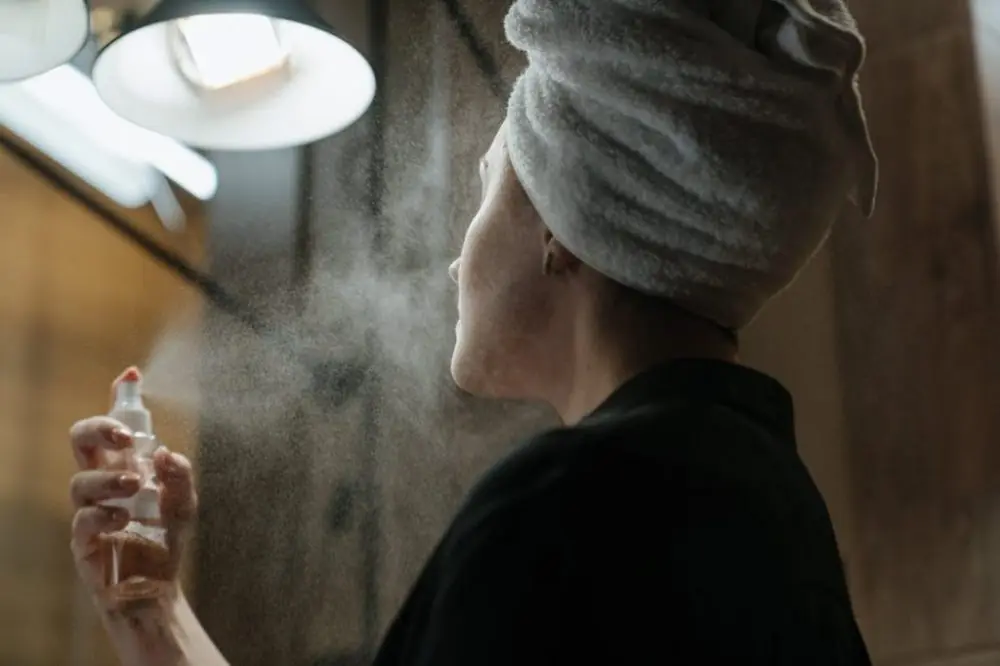
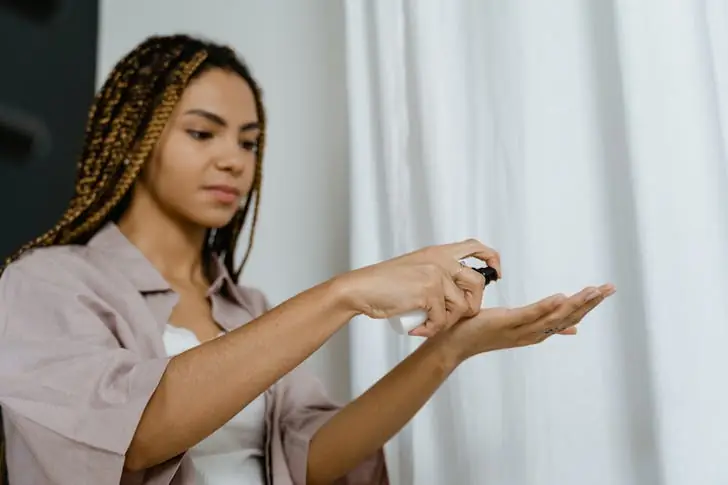
Incorporating hypochlorous into a skincare routine is simple. Most products come in a spray form, allowing for easy application in the morning and evening after cleansing. Apply it directly to the skin, then let it dry fully before layering additional products. This helps prevent interactions that could reduce the acid’s effectiveness, particularly with antioxidants like vitamin C. A mist of hypochlorous can be used to keep the skin clean and balanced for a refreshing boost throughout the day.
For an added advantage, it can be a helpful tool for post-gym skin care. After a workout, a quick mist can refresh the skin and reduce the bacteria that contribute to post-exercise breakouts. While it doesn’t replace a thorough cleanse, it’s a convenient option for those on the go.
Can Hypochlorous Acid Be Used With Other Active Ingredients?
One common question is whether it can be used with other actives, like retinol. Fortunately, it pairs well with many skincare staples. Since it doesn’t cause irritation, it’s ideal for those using retinoids, as it can counteract the redness and dryness that often accompany these treatments. Applying hypochlorous acid first, allowing it to absorb fully, and following with retinol products can create a balanced and effective skincare regimen.