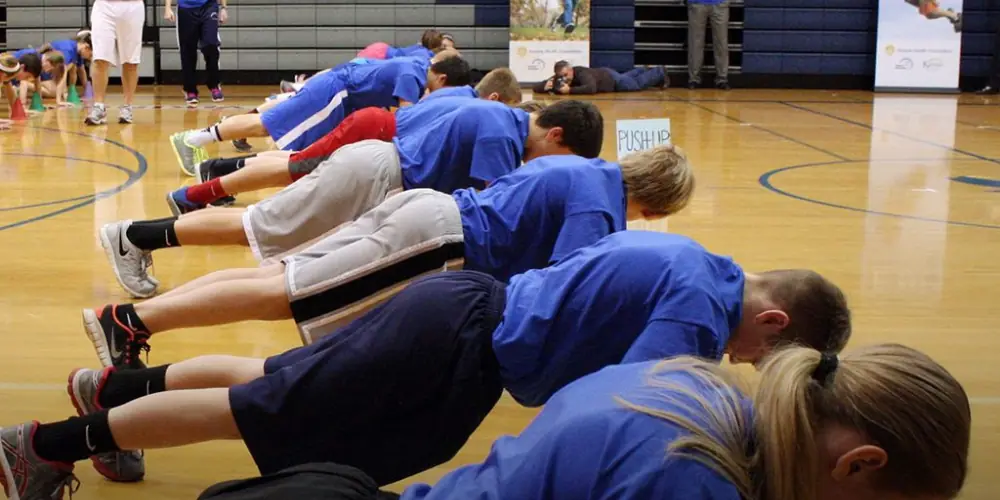
For decades, one test in American schools carried a reputation that made students groan as soon as it was announced—the Presidential Fitness Test. After being discontinued in 2012, the test is now making its way back into classrooms across the country.
The decision has sparked a wide mix of reactions, with some calling it outdated and others viewing it as a necessary push toward healthier habits among children.
The History of the Fitness Test
The test began in the late 1950s under President Dwight Eisenhower. He worried American students were less fit than their European peers. To address that concern, schools required children between 10 and 17 to complete challenges such as a mile run, pull-ups, sit-ups, and a flexibility reach.
Many students did not view it as a measure of health but as a public spotlight on weakness. For those who struggled, the stopwatch and scoring often turned exercise into embarrassment. The program became one of the most criticized physical education practices in American schools.
Why the Test Was Removed
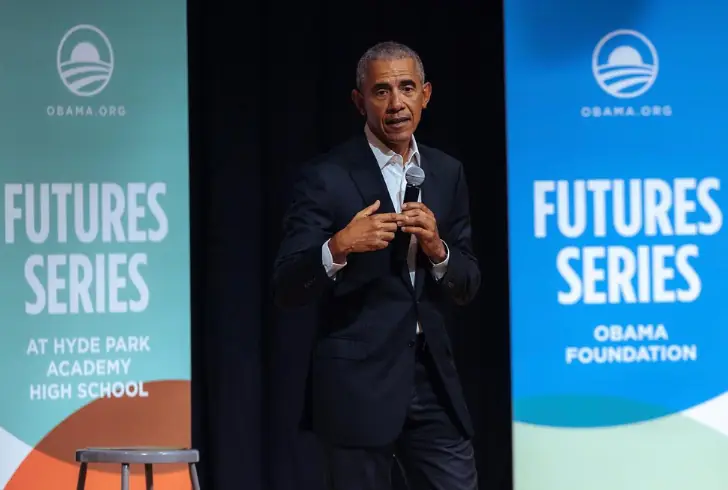
By 2012, the Obama administration scrapped the program and replaced it with initiatives focused on long-term healthy habits. Instead of measuring a child’s worth through speed or pull-up counts, the new approach promoted overall wellness, encouraging students to build a positive relationship with physical activity rather than dreading it.
The shift reflected modern thinking about fitness—that sustainable movement and nutrition practices are more effective than one-size-fits-all physical benchmarks. Many educators supported the change, saying it relieved pressure on students who already faced anxieties around body image and athletic performance.
Why It’s Coming Back
Supporters of the new version argue that ignoring rising health problems is no longer possible. Childhood obesity has climbed sharply. Today, one in five American children qualify as obese. In the 1970s, that number was only one in twenty.
The fitness issue also links to national security. Research shows only two in five young adults can meet the physical standards required for military service. Advocates believe the test can raise awareness and place physical education back in the spotlight. For them, the program is not about humiliation but about addressing an urgent health crisis.
Concerns About the Return
Critics see the decision differently. They argue that schools risk repeating mistakes from the past. Public measurement of physical ability can lead to shame, anxiety, and even lifelong aversion to exercise. Many fear that children who already feel insecure about their bodies will suffer the most.
Some also point to the inconsistency of leaders who promote strict physical benchmarks while not modeling those values themselves. Others question how the program will be updated. Without changes, the test may look too similar to the old version and bring the same negative outcomes.
What It Means for Schools
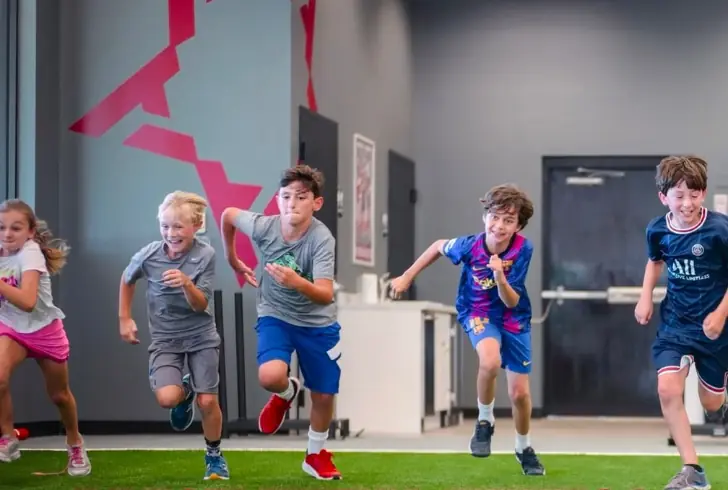
Schools now face a balancing act. On one hand, they must respond to real concerns about declining youth health. On the other, they must protect the confidence and emotional well-being of students.
The success of the program will depend on how it is implemented. If schools frame it as a supportive tool, students may feel encouraged to grow stronger. If it repeats the rigid and shaming style of the past, it may create the same problems it once did. Teachers and parents will watch closely to see which direction it takes.
The Future of the Test
The Presidential Fitness Test carries a complicated legacy. It once revealed hidden athletic potential for some, while creating lasting embarrassment for others. Its revival forces schools and policymakers to reconsider how fitness should be measured and encouraged.
The real challenge lies not in the test itself but in how schools use it. If applied thoughtfully, it could spark healthier habits for a new generation. If handled poorly, it may once again turn exercise into a source of stress. The return of the test is more than a policy change—it is a test for schools themselves on how they balance health, fairness, and motivation.