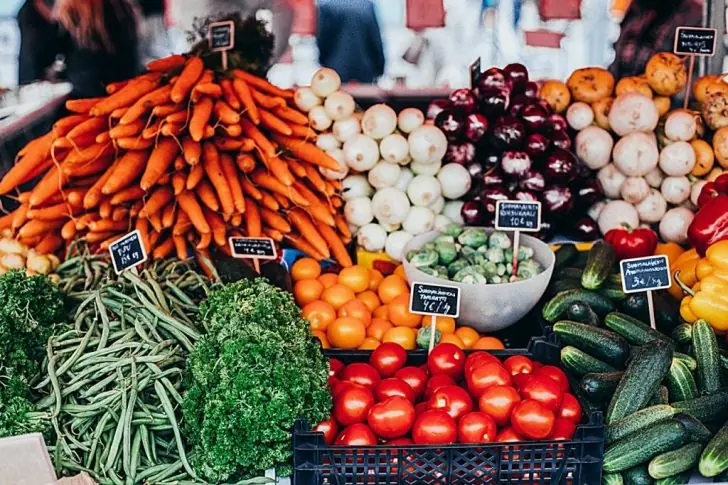
Fruits and vegetables are great for your body. You’ve heard it a million times before and you’ll hear it a million times more. These gifts from mother nature come with numerous health benefits since they are loaded with vitamins and antioxidants that help the body regulate its function and provide support for the immune system. Now if you talk about popular vegetables such as leafy greens, everyone’s well aware and educated on their benefits. But, what about others that do not get the spotlight?
Today, we’re looking at one such underrated vegetable: Malanga.
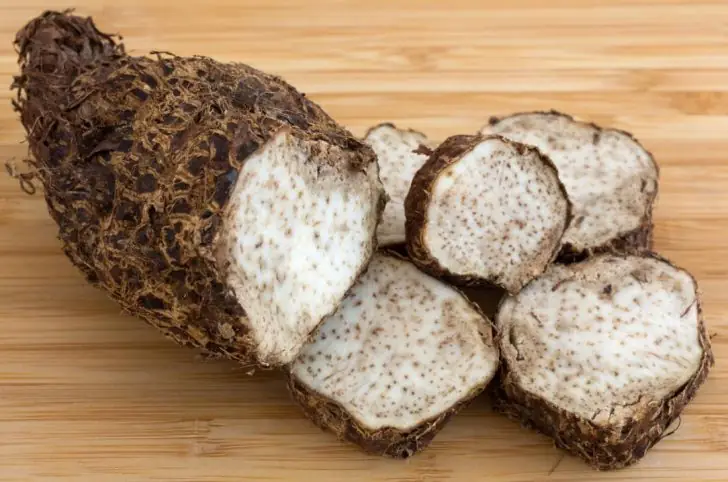
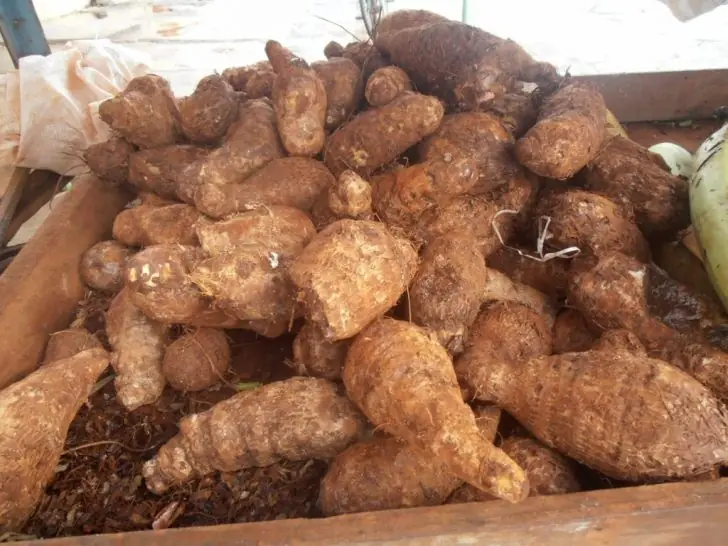
This vegetable is often used in Latin and Black communities and is also referred to as yautia, old cocoyam, or tania, and is similar to taro root and dasheen. It is most commonly grown in Africa, South America, and other tropical regions. When it comes to its looks, this root vegetable resembles a potato but has a hairy exterior. But, when you taste it, you’ll notice that it is much creamier and denser compared to a regular potato.
In terms of nutrition, malanga holds the winning position since it is low in fat, has a low glycemic index, and is rich in fiber compared to potatoes.
Benefits of Eating Malanga
While there are a few benefits mentioned earlier but that is just the tip of the iceberg
1. More Fibrous
This vegetable is rich in fiber and one cup of the creamy root vegetable can provide up to 7 grams of fiber. Fiber is important for heart health (protecting you from cardiovascular diseases), bowel health, maintaining blood sugar levels, and keeping cholesterol low.
2. High in Vitamin B
Keeping your immune system up and running is important, especially in light of the past two years. Vitamin B is essential for boosting your energy levels and supporting your immune system. One great way to acquire Vitamin B is through malanga.
3. Lowers GI
Having a low GI doesn’t let the blood sugar levels spike so people who have to deal with diabetes are always on the lookout to get alternatives with a low Glycemic Index for their favorite items. Since malanga has a low glycemic index, it can easily become a great alternative for potatoes.
Are you thinking what we’re thinking? It’s high time you hurried down to the farmer’s market to get yourself some malanga.