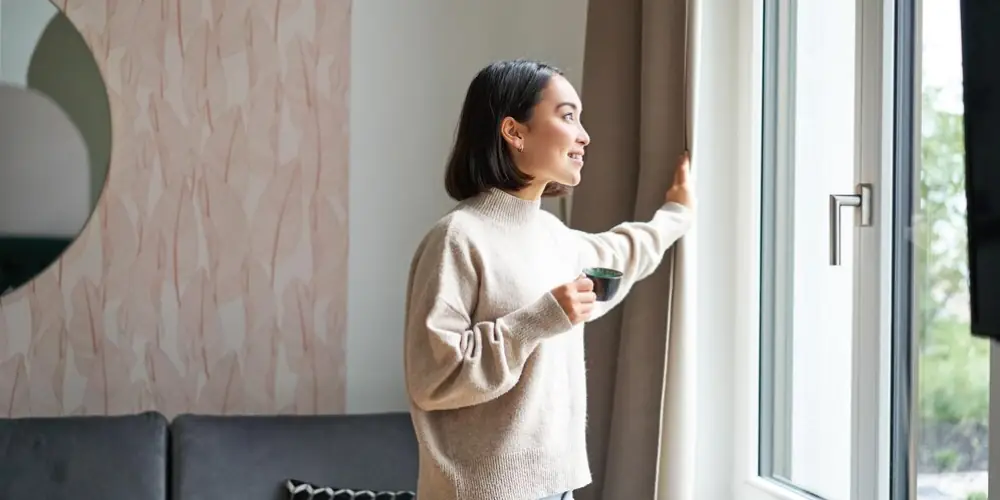
Proper ventilation is essential for maintaining indoor air quality, especially during colder months. In Germany, a traditional method called lüften has been practiced for generations to keep homes fresh and free from excess moisture. This technique isn’t just about cracking a window open—it’s a structured approach to air exchange that improves air quality, prevents mold, and regulates indoor humidity.
What Is Lüften and How Does It Work?
Lüften is the German practice of ventilating indoor spaces by opening windows fully for short, controlled periods. Unlike leaving a window slightly open all day, lüften ensures a quick and efficient exchange of indoor and outdoor air.
There are two main methods:
1. Stoßlüften (Shock Ventilation)
This involves opening windows in a single room for about 5-15 minutes, allowing a burst of fresh air to replace stagnant air. During colder months, this is done two to three times daily.
2. Querlüften (Cross-Ventilation)
This method enhances airflow by opening windows on opposite sides of a home, creating a draft that quickly replaces indoor air. It became particularly popular during the COVID-19 pandemic as a way to reduce airborne contaminants.
Many Germans follow this practice daily, as it helps maintain healthy indoor air without excessive heat loss.

How to Lüften Effectively
Proper execution is key to maximizing the benefits of this practice:
1. Open windows fully instead of leaving them slightly ajar.
2. In winter, ventilate for 5-10 minutes; in warmer months, extend to 20-30 minutes.
3. Repeat the process 2-3 times per day, ideally in the morning, midday, and evening.
4. Turn off heating systems during ventilation to avoid unnecessary energy consumption.
5. Avoid opening the front door while ventilating, as it disrupts the airflow pattern and may cause unnecessary heat loss.
The Science-Backed Benefits of Lüften
Indoor air can accumulate pollutants like carbon dioxide (CO2), volatile organic compounds (VOCs), and allergens. Poor ventilation can lead to headaches, dizziness, and respiratory irritation.
Lüften helps to:
1. Reduce indoor air pollutants and allergens.
2. Control humidity levels, minimizing mold and bacterial growth.
3. Improve sleep quality and mental clarity by increasing oxygen levels.
Allen Rathey, a specialist in indoor health, notes that “consistent ventilation plays a crucial role in eliminating airborne contaminants, making indoor environments healthier and more comfortable.”
A Necessary Practice for Modern Living

German homes are often built with airtight insulation, which makes intentional ventilation essential. Failure to ventilate can lead to excessive condensation, mold growth, and discomfort. Nancy Lundrum, a professor in Germany, shared an example from her own experience: “After four days away from home, I returned to find condensation covering the windows, puddles on the floor, and mold forming. A single round of ventilation cleared the condensation within half an hour.”
This simple yet effective habit is not just a cultural tradition but a necessity for maintaining indoor air quality in energy-efficient homes.
Incorporating Lüften Into Daily Life
As more people recognize the benefits of structured ventilation, incorporating lüften into daily routines can lead to healthier living spaces. Whether during winter or summer, adopting this method ensures fresher air, reduced allergens, and a more comfortable home environment.
By embracing this practice, individuals can maintain better air quality without compromising warmth and energy efficiency—an easy step toward a healthier indoor space.