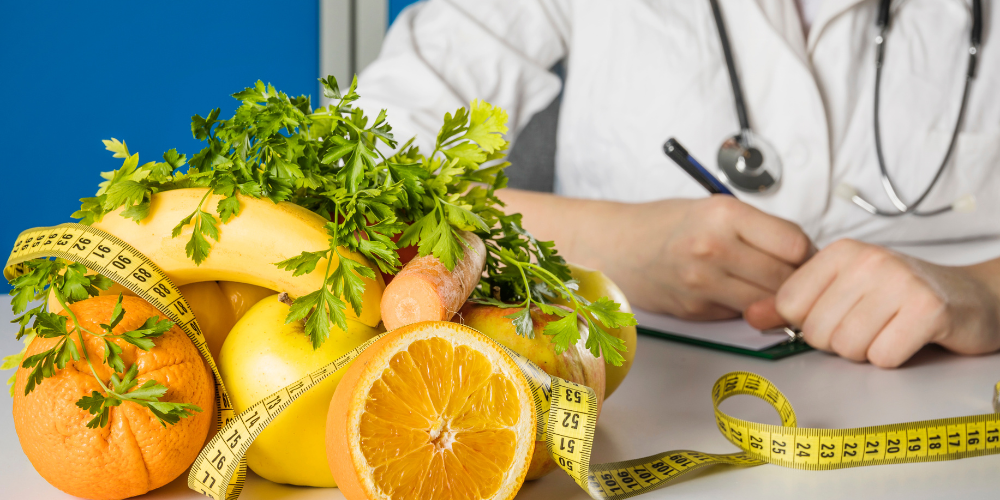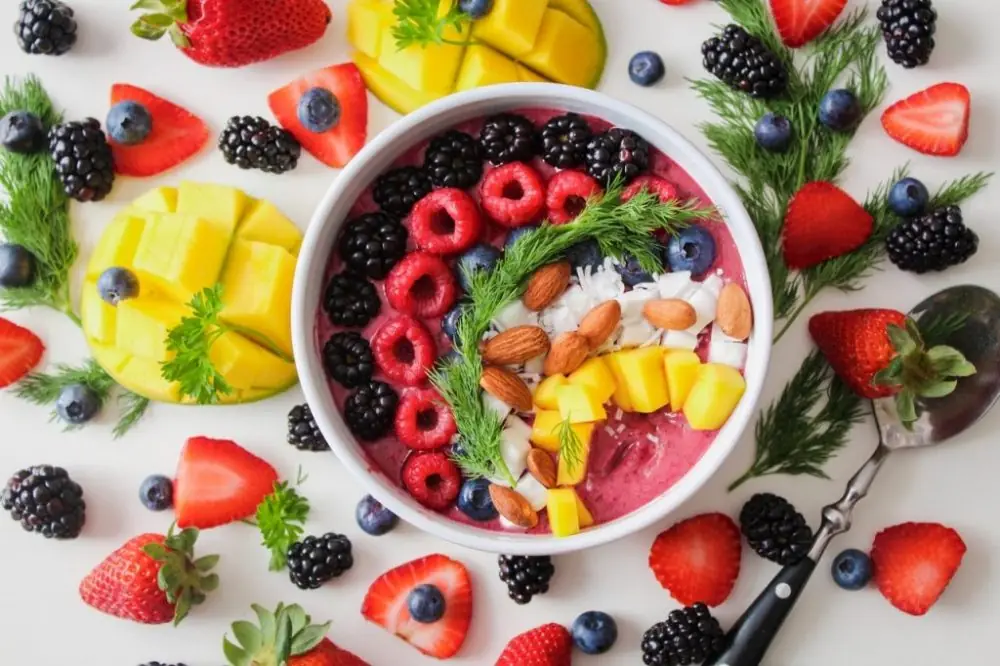
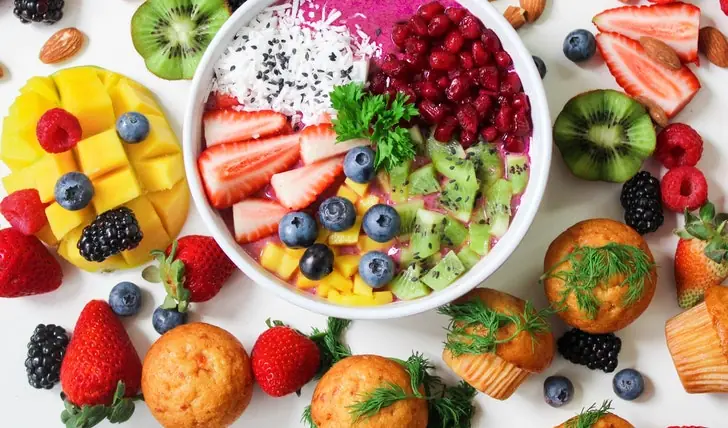
A raw food diet is one that consists entirely of uncooked foods. There are numerous raw food diet variations. Some of which eliminate processed, genetically modified, or non-organic foods. The majority of diets specify which foods you may consume, not how they must be prepared. Meanwhile, the raw food diet – a fashionable plant-based diet that frequently overlaps with veganism — places a premium on cooking. It is composed primarily or entirely of raw and uncooked ingredients.
However, is a raw food diet truly healthy? On the one hand, it will compel you to consume an abundance of vegetables, substituting real meals for processed ones. On the other hand, you will be unable to properly consume a variety of dietary mainstays. Let’s take a deep dive to measure the pros and cons of raw foods.
How Raw Food Diet is Beneficial?
The benefits of a raw food diet are directly related to the items recommended. While there are certain advantages to a raw food diet, they may not outweigh the health hazards.
- Fiber-Dense
Raw dietary staples such as fruits, vegetables, nuts, seeds, grains, and legumes are inherently fiber-dense. Fiber-rich diets have been linked to improved digestion and a decreased risk of heart disease, stroke, hypertension, and some malignancies.
- Emphasizes Whole Foods
Diets high in processed foods may lead to overeating and weight gain. These diets often have a high calorie, salt, sugar, and fat content.
- Sodium-Free
A raw food diet is sodium-free. Reduce your risk of hypertension, heart failure, and chronic kidney disease with a low-salt diet.
Why Raw Foods are Discouraged?
In general, a raw food diet is not advised. Due to the fact that it is a restricted diet, it has a number of health risks and drawbacks.
- Could Be Unbalanced
Fruits and vegetables comprise the majority of the foods consumed on a raw diet. These foods are frequently low in calories. When calorie intake is inadequate, meeting nutritional objectives becomes extremely challenging. Additionally, the diet removes food categories such as dairy and the majority of proteins.
- The Risk of Foodborne Disease is Increased
Raw foods, particularly raw animal products, are more prone to induce food poisoning. Sprouted foods may also promote the growth of germs, as sprouting requires warm, humid environments. While cooking sprouts decreases the risk of food illness, this is incompatible with a raw food diet.
Associated with Deficient Vitamin and Mineral Levels
Vegans who consume the majority of their food uncooked may have difficulties getting adequate vitamins, such as vitamin B12, zinc, iron, vitamin D, and calcium. Supplementation may be required if levels are deficient.
Final Thoughts
Either bad or good, it depends on one’s own priorities. For some people, it is convenient to adopt the raw food while the meat lovers couldn’t survive on this diet for a long time. We have analyzed it in the easiest way. By reading all the above stuff, you will be able to take a quick decision.