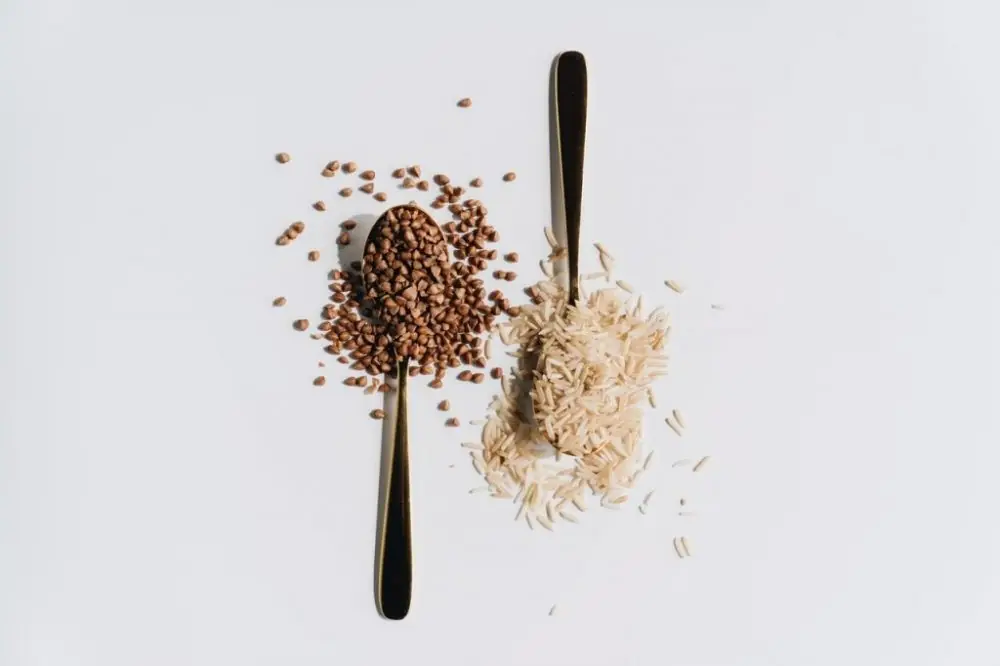
Have you ever been in a situation where you start eating healthy and someone suggests that you incorporate brown rice into your diet? But then, a few days later, you see an article stating that white rice is just as nutritious as brown rice – so what do you do? Do you eat brown rice or white rice?
This is a debate that has been bothering all the healthy eaters and weight-watchers, so it is about time that you learn the truth behind this white and brown rice rivalry.
Be Careful
Before jumping into the specific details, always remember that food is food. Just like all things in life, it shouldn’t be taken too seriously.
Sometimes, people tend to ignore their body requirements and look for the option that will help them lose the most weight, which is why before you make any changes to your diet, you should study and understand the changes you are making.
Picking a Winner
Both types of brown rice and white rice are rich in carbohydrates, but brown rice is whole grain while white rice is processed in nature.
Suppose your doctor has recommended you a diet with whole foods. In that case, you should opt for brown rice, which is excellent for reducing cholesterol and lowers the chances of developing heart diseases and type 2 diabetes.

Nutritional Database
Brown Rice
Let’s talk about the nutritional value that brown rice holds. According to the Department of Agriculture National Nutrient Database, 1/3 cup of brown rice contains around 82 calories with 1.82 grams of protein, 0.65 grams of fat, 17.05 grams of carbohydrates, 1.1 grams of fiber, 2 milligrams of calcium, and small amounts of iron and sodium.
White Rice
On the other hand, white rice, when measured, was reported to contain 68 calories, 1.42 grams of protein, 0.15 grams of fat, 14.84 grams of carbohydrates, 0.2 grams of fiber, 5 milligrams of calcium 1 milligram of sodium, along with 0.63 milligrams of iron.
The Final Verdict
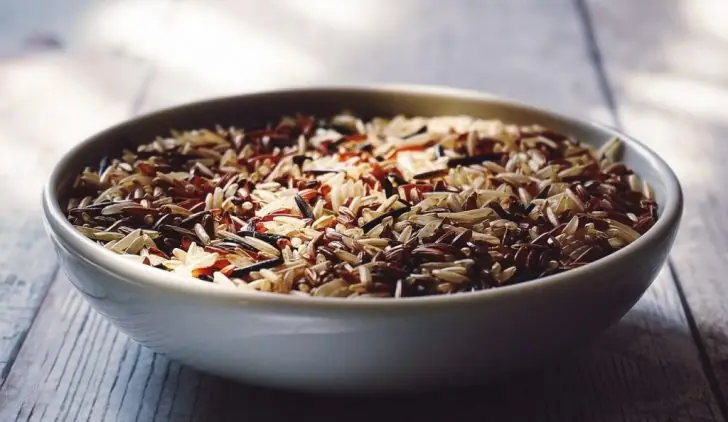
Brown rice happens to be more nutritious, with high fiber content alongside other nutrients. But in the end, it all comes down to you and your preference.
If you are still feeling unsure, you can get in touch with a nutritionist who can help you decide to make the switch or not.