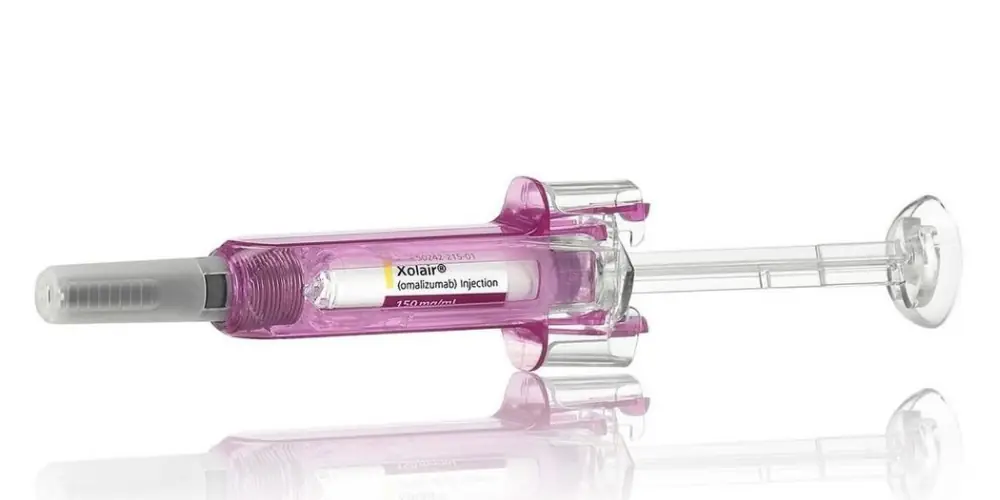
In a groundbreaking revelation, recent research unveils the potential of Xolair, an asthma medication, to significantly mitigate severe allergic reactions in individuals grappling with multiple food allergies. The findings, published in the prestigious New England Journal of Medicine, shed light on the promising impact of Xolair, also known as omalizumab, on allergic reactions triggered by peanuts, milk, egg, wheat, and more.
Navigating Through the Discovery

The study’s compelling data showcases the transformative power of repeated Xolair injections over several weeks in reducing the severity of allergic reactions, offering hope to both adults and children as young as one year old.
Dr. Sharon Chinthrajah, a senior author of the study and an associate professor at Stanford University, expresses enthusiasm, stating, “This is an incredible leap forward in our field. The daily apprehension faced by food allergy patients and their parents might now witness a positive shift.”
Protective Shield Against the Unknown
Xolair emerges as a shield against the unpredictability of accidental food exposure, diminishing the risk of anaphylaxis—a potentially life-threatening allergic reaction necessitating immediate medical intervention, including an epinephrine injection. Dr. Robert Wood, lead author of the study and director of the Eudowood Division of Allergy, Immunology, and Rheumatology at Johns Hopkins Children’s Center, emphasizes the profound impact, sharing, “I have teenage patients with peanut allergies who’ve never dined out due to the pervasive fear. Xolair opens doors to a new realm of possibilities.”
Expanding Horizons of Treatment
The recent approval expansion by the US Food and Drug Administration marks a pivotal moment for omalizumab, extending its usage to individuals with food allergies. This decision stems from an interim analysis of the study, revealing Xolair’s efficacy in reducing allergic reactions to a spectrum of foods.
By incorporating multiple allergens into the research, experts suggest that Xolair could potentially mitigate reactions when individuals are exposed to various allergens simultaneously.
In the Heart of the Study: Targeting Multiple Allergens
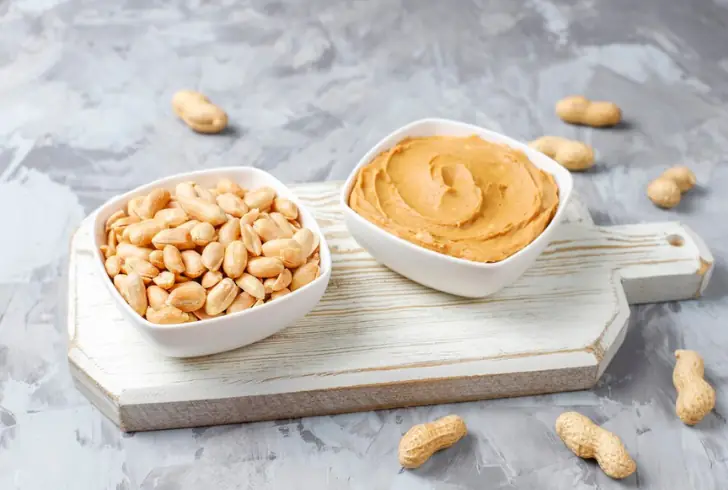
The study, funded by the National Institutes of Health, enrolled 180 participants with a history of peanut allergies and at least two other food allergies. Each participant underwent a randomized assignment to receive either omalizumab injections or a placebo every two to four weeks for 16 to 20 weeks.
Notably, the inclusion of various age groups, with a significant focus on children aged one to five, adds depth to the understanding of Xolair’s impact, a crucial aspect given the peak prevalence of food allergies in this demographic.
Results Unveiled: A Ray of Hope
After 16 weeks of treatment, the study showcased remarkable outcomes. Approximately 67% of those who received omalizumab could tolerate at least 600 milligrams or more of peanut protein, equivalent to about 2.5 peanuts. In contrast, only about 7% of the placebo group met the same criteria. Moreover, the omalizumab recipients demonstrated an enhanced ability to tolerate other allergens, such as cashews, eggs, and milk, compared to their counterparts in the placebo group.
Safety Net or Risk? Evaluating Xolair’s Safety
Dr. Thomas Casale, a prominent figure in the field, asserts that for certain individuals with food allergies, Xolair might present a safer alternative than oral immunotherapy treatments. Xolair’s anti-IgE mechanism, distinct from oral immunotherapy, binds and blocks IgE antibodies, preventing a full-blown allergic reaction upon exposure to specific allergens.
While side effects include reactions at the injection site and fever, Xolair’s safety is underlined by its extensive use in asthma treatment, often coexisting with food allergies.
Weighing the Costs and Benefits
For those grappling with severe food allergies and moderate to severe allergic asthma, Xolair emerges as a beacon of hope. However, considering the estimated list price ranging from $2,900 to $5,000 per month, individuals must weigh the costs against the potential benefits. Lindsey Mathias, a spokesperson for Genentech, reassures that the actual cost for most patients is typically lower, factoring in insurance coverage and financial assistance programs.
The Lifelong Commitment Dilemma

While Xolair holds promise as a treatment option, particularly for those with severe food allergies, the need for a lifelong commitment raises questions. Dr. Casale emphasizes that Xolair doesn’t eliminate food allergies, and its efficacy hinges on regular administration.
The decision to opt for Xolair should be a thoughtful one, with individuals and their healthcare providers carefully assessing its suitability based on the severity of allergies and individual health conditions.
The Road Ahead: Unveiling Xolair’s Potential
As Xolair paves the way for a paradigm shift in addressing multiple food allergies, more research is imperative to identify the ideal candidates and determine the optimal duration of treatment. Dr. Chinthrajah highlights the ongoing journey, stating, “We’re yet to identify the most severe phenotypes and the best strategy for their protection. The realm of possibilities is expanding, but we are at the forefront of unraveling its full potential.”
Xolair emerges as a transformative force, offering a glimpse of hope to individuals burdened by multiple food allergies. While challenges and questions persist, the research signifies a significant stride towards a future where the fear of the unknown might find solace in the realm of possibilities unlocked by Xolair.