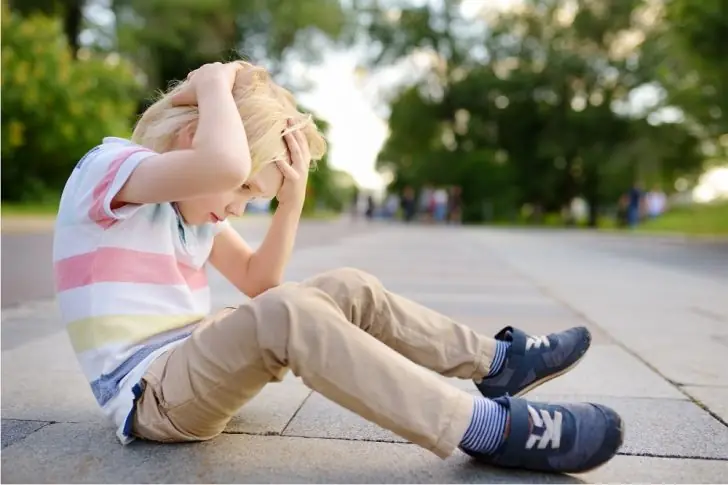
A concussion in children, especially from contact sports, requires careful attention to symptoms and recovery. A concussion, or mild traumatic brain injury, results from a direct blow to the head, face, or even the body, temporarily affecting the brain’s function. Prompt recognition and management are essential for a safe recovery, allowing children to return to regular activities only when their symptoms fully resolve.
Recognizing Symptoms of Concussion in Children
Symptoms of a concussion may appear immediately or within hours of injury. Common indicators include headaches, nausea, dizziness, and sensitivity to light or noise. Children might also experience mood changes, such as irritability or trouble focusing. Other signs, like confusion, memory issues, and sluggishness, may impair a child’s ability to engage in usual activities. These symptoms vary in severity, so staying observant is crucial.
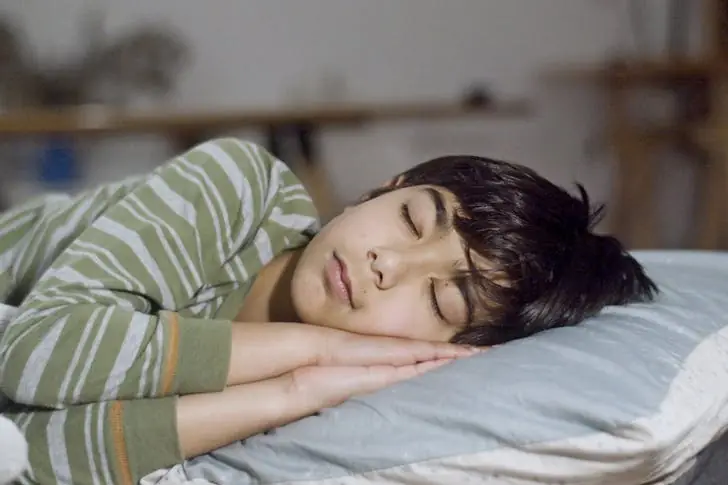
In some cases, physical symptoms accompany cognitive and emotional effects. Children might feel dazed, sluggish, or have balance problems, making everyday tasks challenging. Sleep disturbances are also common, including sleeping more or less than usual. If a child struggles with concentration or feels fatigued, it is best to limit activities requiring mental focus until symptoms improve.
Immediate Response: “If in Doubt, Sit it Out”
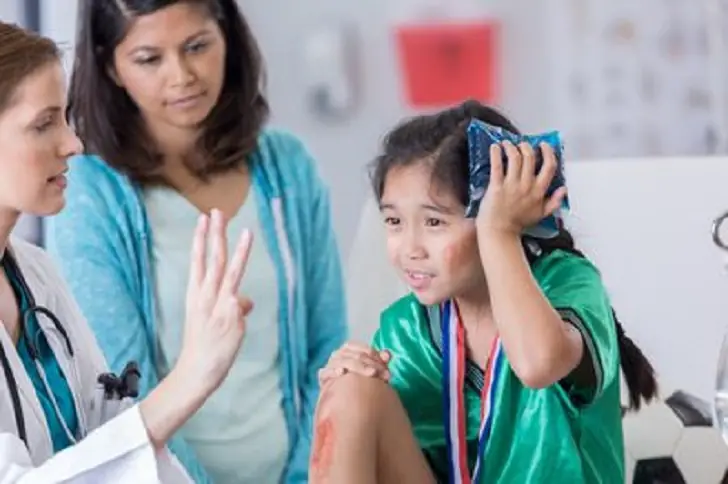
If there’s any suspicion of a concussion, refrain from letting the child return to physical activities. Following the principle of “If in doubt, sit it out” helps prevent worsening symptoms. Children do not need to lose consciousness to suffer a concussion; any significant impact can lead to brain injury. Inform coaches and instructors if a child has had a concussion, as they play a vital role in ensuring a gradual return to activities.
Safe Recovery: Managing Physical and Mental Rest
After a concussion, children benefit from a brief period of complete rest, usually one to two days, to support initial healing. This includes avoiding physical activities and mentally demanding tasks, such as reading or using screens. Gradual reintroduction of activities, as tolerated by the child, is essential. If any task causes a headache or dizziness, take a break and reattempt it in shorter intervals once symptoms lessen.
During recovery, encourage children to resume daily tasks at a comfortable pace. Activities like light walking might help but should be avoided if they aggravate symptoms. Over time, as signs improve, children can engage in more demanding activities but without rushing. Ensuring gradual progression reduces the risk of symptom relapse and promotes steady recovery.
Warning Signs: When to Seek Immediate Medical Attention
In rare cases, what seems like a minor concussion could indicate a severe brain injury. Seek immediate medical attention if a child shows alarming symptoms, such as one pupil being larger than the other, prolonged drowsiness, vomiting, or behavioral changes like agitation or confusion. Seizures, slurred speech, or sudden memory loss also warrant urgent care. Early medical intervention ensures children receive proper treatment, minimizing risks of severe complications.
Persistent crying or inability to recognize familiar people or places signals that a child’s brain may need further assessment. Keeping an eye on changes in mood, personality, or unusual sleep patterns is equally vital. Timely intervention could prevent long-term effects, securing a smoother recovery for the child.
Returning to School and Physical Activities
Returning to school or sports after a concussion should follow a cautious approach. Schools may need to adjust a child’s workload by allowing additional time for assignments or a reduced class schedule. Physical activities should start at a low intensity, gradually increasing as symptoms subside. Clear guidance from a healthcare provider helps establish a “return-to-play” plan tailored to the child’s recovery pace.
Importance of Preventing Repeat Injuries
Children risk longer-lasting or intensified symptoms if they sustain a second injury before fully recovering from a concussion. A subsequent head impact can delay healing, so complete recovery before resuming contact sports or strenuous activities is essential. Using properly fitted helmets and other protective equipment can help, though it doesn’t eliminate the risk of concussion entirely.