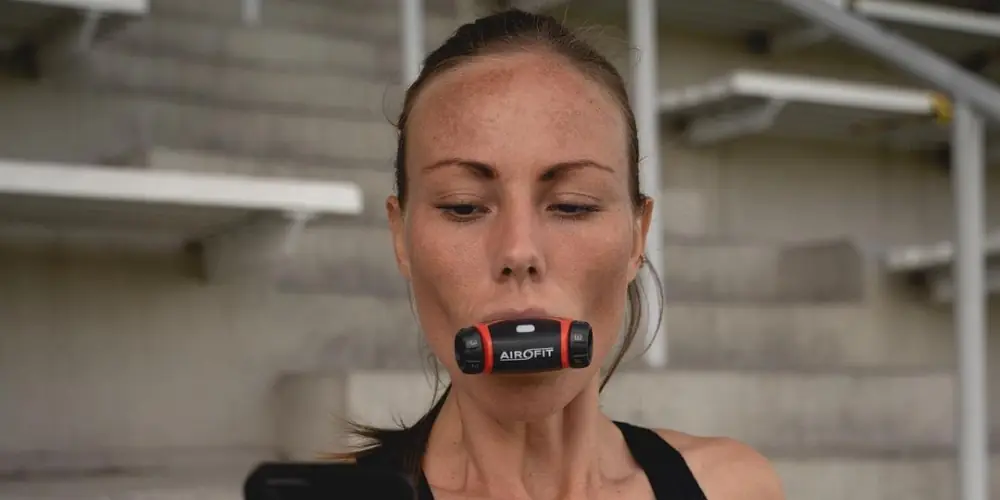
Have you ever wondered if there’s a way to breathe easier, not just during exercise, but throughout your day? This is where lung trainers, also known as respiratory muscle training devices, come in. But do lung trainers work?
Let’s take a deep dive into the science behind these gadgets and see if they can truly enhance your lung power.
A Look at Breathing Exercises
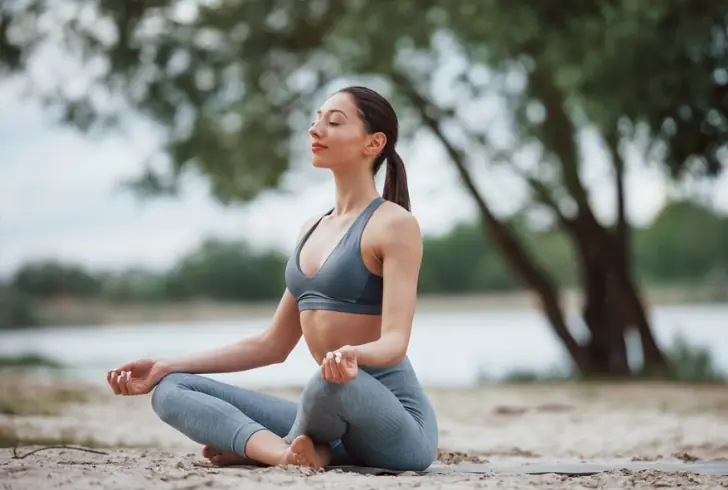
Breathing exercises are nothing new. They’ve been practiced for millennia in Eastern traditions like Qigong, which emphasizes mindful breathing while remaining still. While ancient claims of superhuman feats might be a bit far-fetched, modern science confirms that breathing exercises can significantly improve respiratory muscle function.
Studies even show they can lower blood pressure and enhance quality of life for both healthy individuals and those battling chronic diseases. This surge in popularity has paved the way for a new wave of technology: respiratory muscle trainers.
How Do Lung Trainers Work?
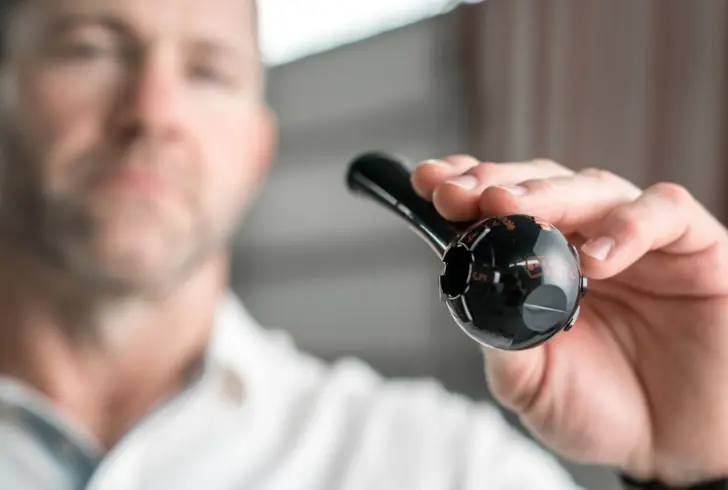
Lung trainers are portable devices that offer resistance when you inhale and exhale. Think of them as tiny gyms for your respiratory muscles. By forcing these muscles to work harder, the devices aim to strengthen them, potentially leading to several benefits. There are three main categories of lung trainers:
- Passive Flow-Resistance Devices: These offer a fixed level of resistance throughout your breathing exercise.
- Dynamically Adjusted Flow Resistance Devices: These automatically adjust the resistance as you breathe, providing a more variable workout.
- Pressure Threshold Valve Devices: These require you to exert a specific amount of force to open a valve during inhalation or exhalation, offering a quantifiable way to track your progress.
Lung trainers can come with features like adjustable resistance settings, comfortable mouthpieces, and even dual training options for both inhalation and exhalation. However, these features often come at a premium, with prices ranging from a simple £10 to a whopping £750!
Who Can Benefit from Lung Trainers?
If you have a condition that affects your breathing, such as chronic obstructive pulmonary disorder (COPD), asthma, or emphysema, lung trainers might be a game-changer. These conditions limit your lung capacity and leave you feeling breathless. Studies show that lung training can normalize breathing patterns and significantly reduce these distressing symptoms, like shortness of breath, wheezing, and coughing fits. This translates to a major boost in confidence, improved daily function, and a better overall quality of life.

Lung trainers might also hold promise for specific activities. Hikers climbing high altitudes with thin air, swimmers battling breath control between strokes, and singers holding long notes might all find lung training beneficial. However, for healthy individuals seeking a performance edge during exercise, the picture is less clear.
Do Lung Trainers Work for Everyone?
While research doesn’t show lung trainers boost exercise performance in healthy individuals, they may help manage breathlessness during workouts and reduce fatigue perception, making exercise more enjoyable. This is especially true for those with mild asthma or similar conditions. However, shortness of breath can also arise from weight, posture, or heavy loads.
While lung trainers seem safe for most, those with high blood pressure, heart disease, or anxiety disorders should consult a doctor first, as breathing against resistance could cause unintended consequences.
Practical Tips for Lung Training
Here’s the good news: you don’t necessarily need a fancy device to reap the benefits of lung training. Many of the advantages can be achieved through simple breathing exercises alone. Studies have shown that non-device breathing exercises can be just as effective as lung trainers for improving respiratory function in COPD patients.
Here’s a basic breathing exercise you can try at home:
- Find a comfortable seated or lying down position.
- Take slow, deep breaths (around 2-3 seconds each) in through your nose and out through pursed lips.
- Focus on engaging your abdominal muscles as you breathe. You can even place your hands on your stomach to feel it rise and fall.
- Repeat for 2-3 sets of 10-20 breaths, once or twice daily.
- Rest for 2-4 minutes between sets and gradually increase the duration of your training sessions over time.
If you have a severe respiratory condition, consult your doctor before starting any breathing exercises or using lung trainers. They can advise you on the best approach for your specific needs.
Breathe Easy with Confidence
Whether you have a respiratory condition or simply want to improve your breathing efficiency, there are effective options available. For those with specific breathing difficulties, lung trainers, under medical supervision, can be a valuable tool. However, don’t underestimate the power of simple, device-free breathing exercises. Combined with healthy lifestyle choices, you can take control of your breath and experience a newfound sense of well-being.
Remember, a healthy breath is a foundation for a healthy life. So, take a deep breath, embrace the power within, and embark on a journey towards better breathing!