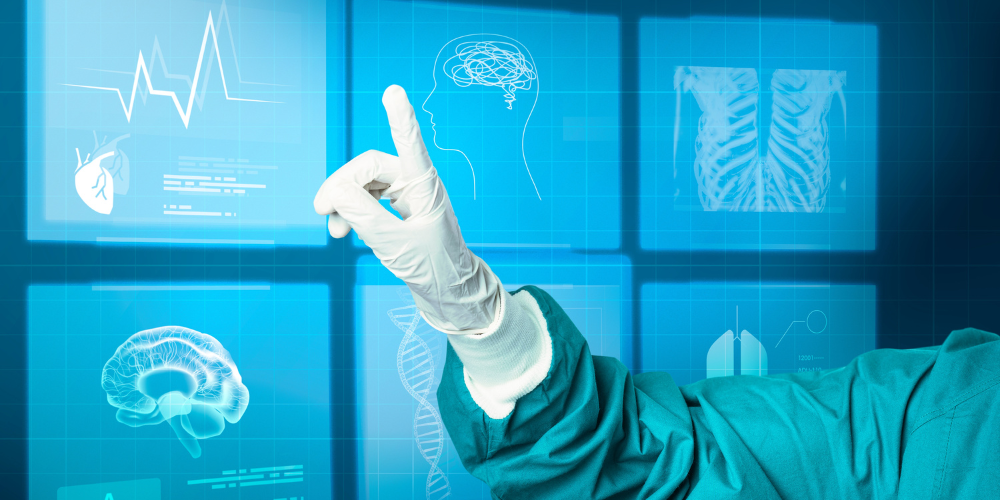
The medical industry has made significant strides in recent years, and technology has played a vital role in these advancements. Artificial Intelligence (AI) has been of particular importance to the medical industry due to its ability to provide enhanced diagnosis, precision, and accuracy in medical procedures. The increasing demand for such technology has given rise to the development of AI-integrated medical devices.

Now, let’s explore what it takes to create an effective AI-integrated medical device.
Understanding the Medical Need
To create an effective AI-integrated medical device, one must begin by identifying the patient’s needs and incorporating them into the device. Thus, the device must be designed to address the patient’s pain points and be equipped to handle the most severe symptoms.
For instance, an AI-integrated medical device designed for diabetic patients should focus on providing an accurate diagnosis of the patient’s glucose levels in real-time, thereby leading to timely intervention.
AI Training and Testing
The AI algorithms in medical devices must be trained and tested to meet specific medical needs. AI technology relies on machine learning algorithms to analyze massive data sets. Therefore, developers must train the AI algorithms using large medical data sets to equip the device to provide an accurate diagnosis.

So, the AI-integrated medical device’s accuracy must be tested. Thus, this is to ensure it is reliable in discerning diagnoses and providing appropriate treatment options.
Data Security
The integration of AI technology into medical devices may pose significant data security risks. The storage of data on the device or a server could risk patient privacy, exposing them to identity theft, fraud, and other cyber threats. To ensure patient data security, manufacturers must develop software to identify and prevent cyber-attacks.
Additionally, the medical device’s hardware must be equipped with the latest security features such as firewall protections and advanced security protocols.
Regulatory Approvals
To launch an AI-integrated medical device, regulatory approvals such as the US Food and Drug Administration (FDA) must be obtained. The FDA evaluates AI-integrated devices through their premarket submission process. Thus, medical devices with AI algorithms are no exceptions.

Thus, the manufacturers must ensure that the device meets the necessary regulatory standards and obtain specific regulatory approvals.
Parting Thoughts
The integration of AI technology in medical devices creates new opportunities to improve healthcare and make the medical industry more efficient. However, designing effective AI-integrated devices requires an in-depth understanding of medical needs, rigorous AI training and testing, data security measures, and regulatory approvals.
So, manufacturers must prioritize patient safety at all stages of development while providing accurate and timely diagnoses and treatment options. By recognizing these factors, the medical industry can support developments and advancements in all-encompassing AI technology. Something that will go a long way in improving patient outcomes and experiences. This way, the software will be effective and reliable.